We fund and support hand-on conservation projects that bring benefits to local wildlife and communities. Here are just a few highlights of projects that we have funded:
Here are just a few highlights of projects we have funded.
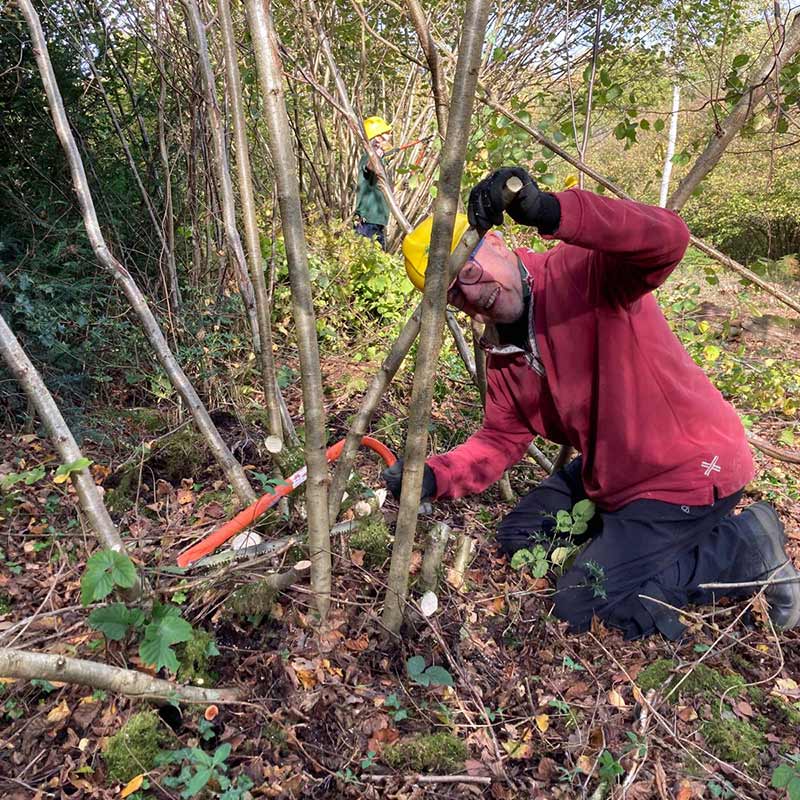
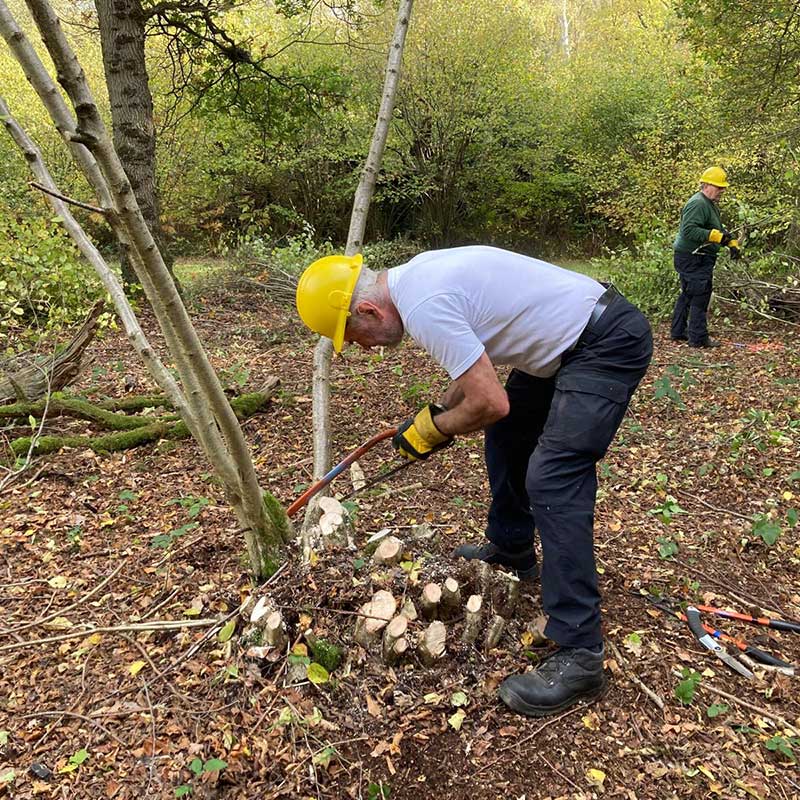
Trust funds help to sustain the ancient practice of cutting hazel stems on a rotation to encourage vigorous multi-stem growth used to produce fencing, hurdles and other countryside furniture. Coppicing allows light into the woodland floor, encouraging ground flora and boosting biodiversity.
We have receive a grant from the City of London Corporation for our ‘Coppicing of Dormouse Project’ which has enabled us to fund the Lower Mole Partnership to carry out coppicing on Ashtead Common and improve monitoring of the dormouse population. The dormouse is a highly endangered species in the UK.
The Trust funded the installation of a charcoal kiln in 60 Acre Wood, Claygate to encourage sustainable woodland management. This small area of native woodland is a very important remnant of a much larger one. It has been worked for many years by the same worker who uses the wood he cuts for a variety of different purposes, including the supply of excellent charcoal. This form of management has produced a mosaic of coppiced woodland that provides important wildlife habitat.
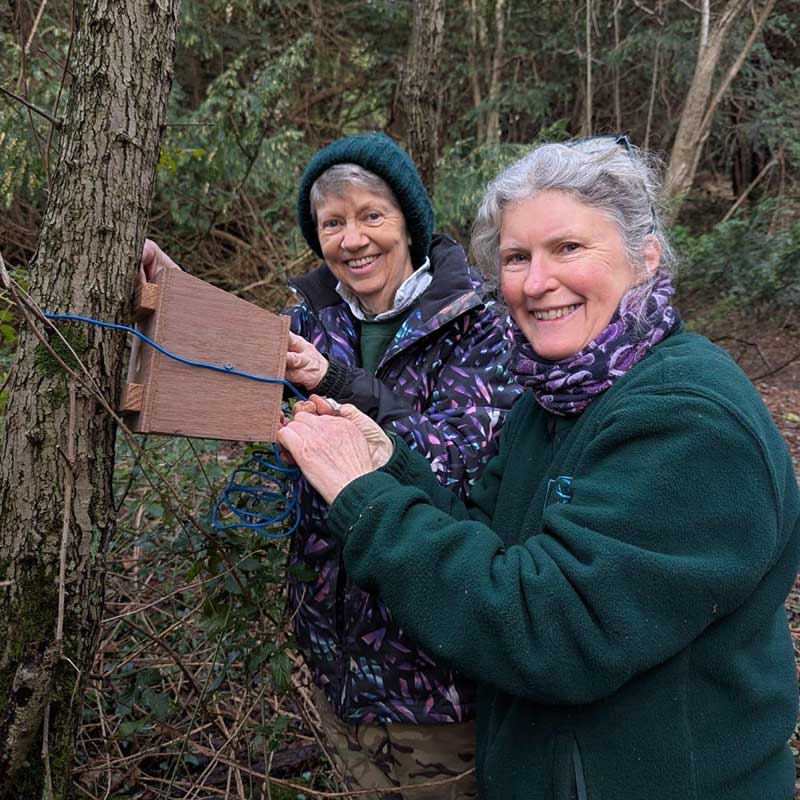
The Trust funded additional dormouse boxes at a Surrey County Council-owned site, which will take the total to 50 boxes. This will allow the site to be registered as an official dormouse monitoring site. The grant covers the cost of the timber and fixings to make the boxes and the costs of the Lower Mole Partnership volunteers to make them in their workshops and install them on site.
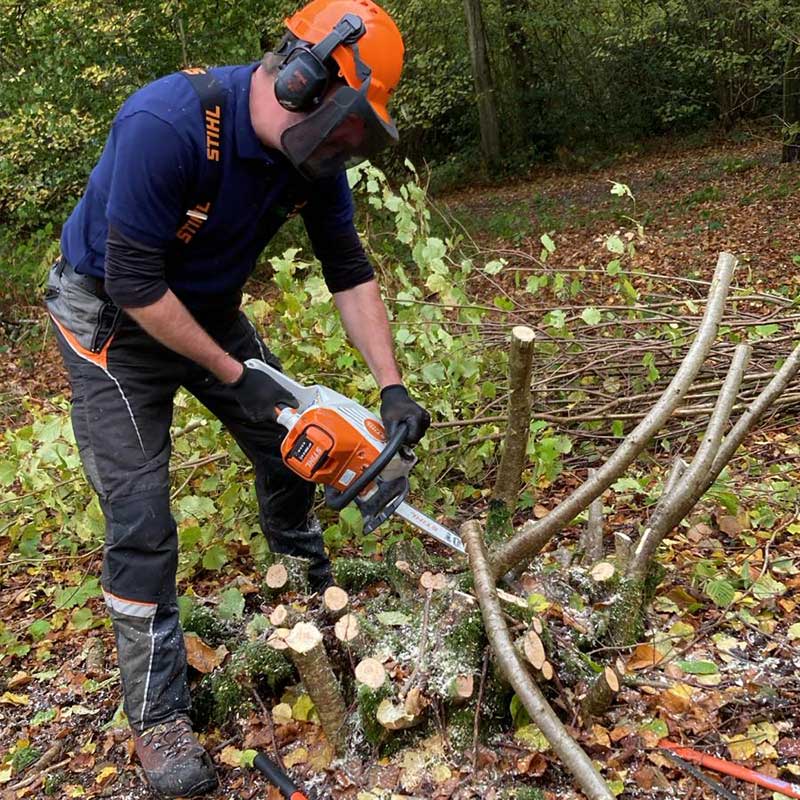
Local volunteers are supported by providing the equipment they need to carry out a wide range of tasks. For example, Trust grants have been provided for the purchase of electric chainsaws for the Friends of Ashtead Rye Meadows Wetlands to assist with hedgerow management and a programme of traditional hedge laying. The battery-operated chainsaws reduce emissions and noise. A grant to the Lower Mole Partnership enabled them to purchase a sander needed to produce waymarkers and other countryside furniture. The Trust also offers grants to train volunteers to use equipment safely. Training can include first aid.
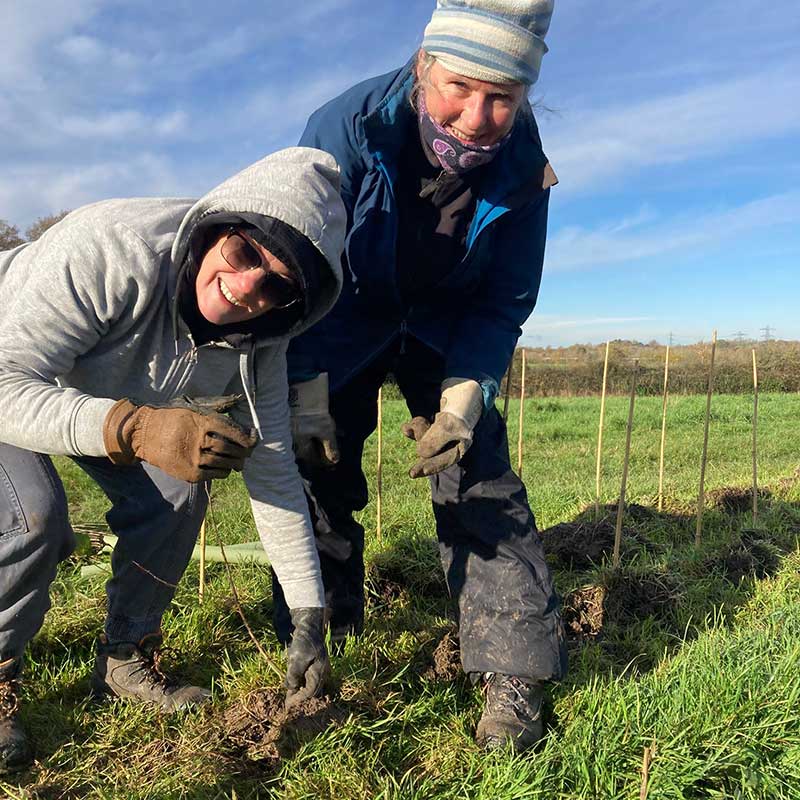
Planting of new trees and hedges helps to maintain the network of green corridors and enhance the landscape. One example of this is at Rushett Farm, Chessington where the Trust joined forces with the Campaign for the Protection of Rural England London branch, via their ‘Hedgerow Heroes’ scheme, to fund the planting of a new native species hedge.
The Trust secured generous funding from the City of London Corporation to widen firebreaks and manage scrub as part of a plan on Ashtead Common to reduce the risk of wildfires and droughts on this important National Nature Reserve, giving greater protection to the site as summers get hotter.